

TR20 workshop guide
Fork or rear shock servicing: what changes?
Fork and shock symptoms can overlap. Record where the rider feels the problem, when it happens and what changed before it appeared.
01 / Rider feedback
Start with where the rider feels it.
The same complaint can have more than one cause. Braking bumps, turn-in and corner exit place different demands on the motorcycle.
01
What you feel at the bars
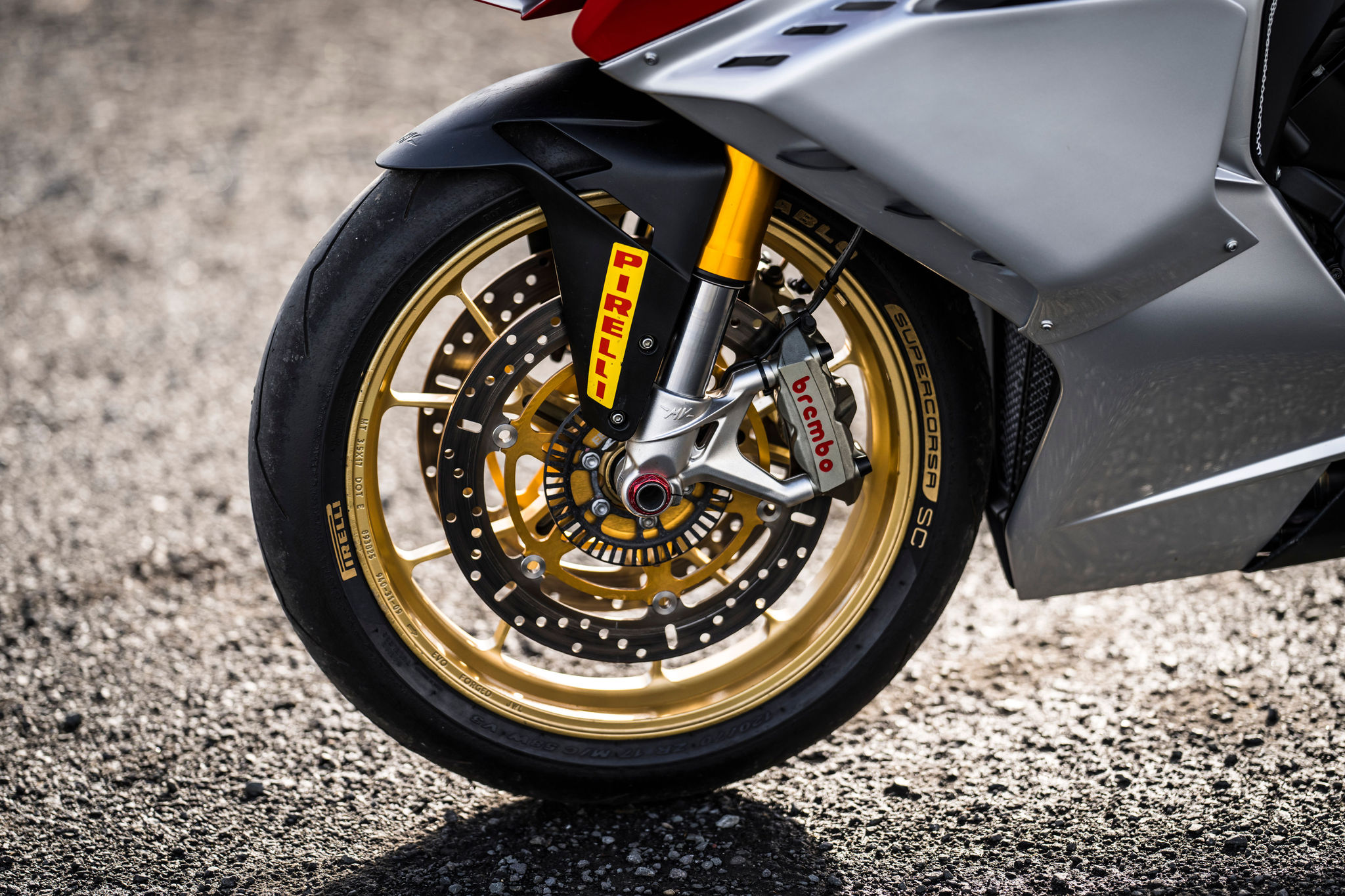
Dive, harshness, skipping or vague steering may point attention toward the front. Describe what the bars and front tyre do under braking and turn-in.
02
What you feel from the seat
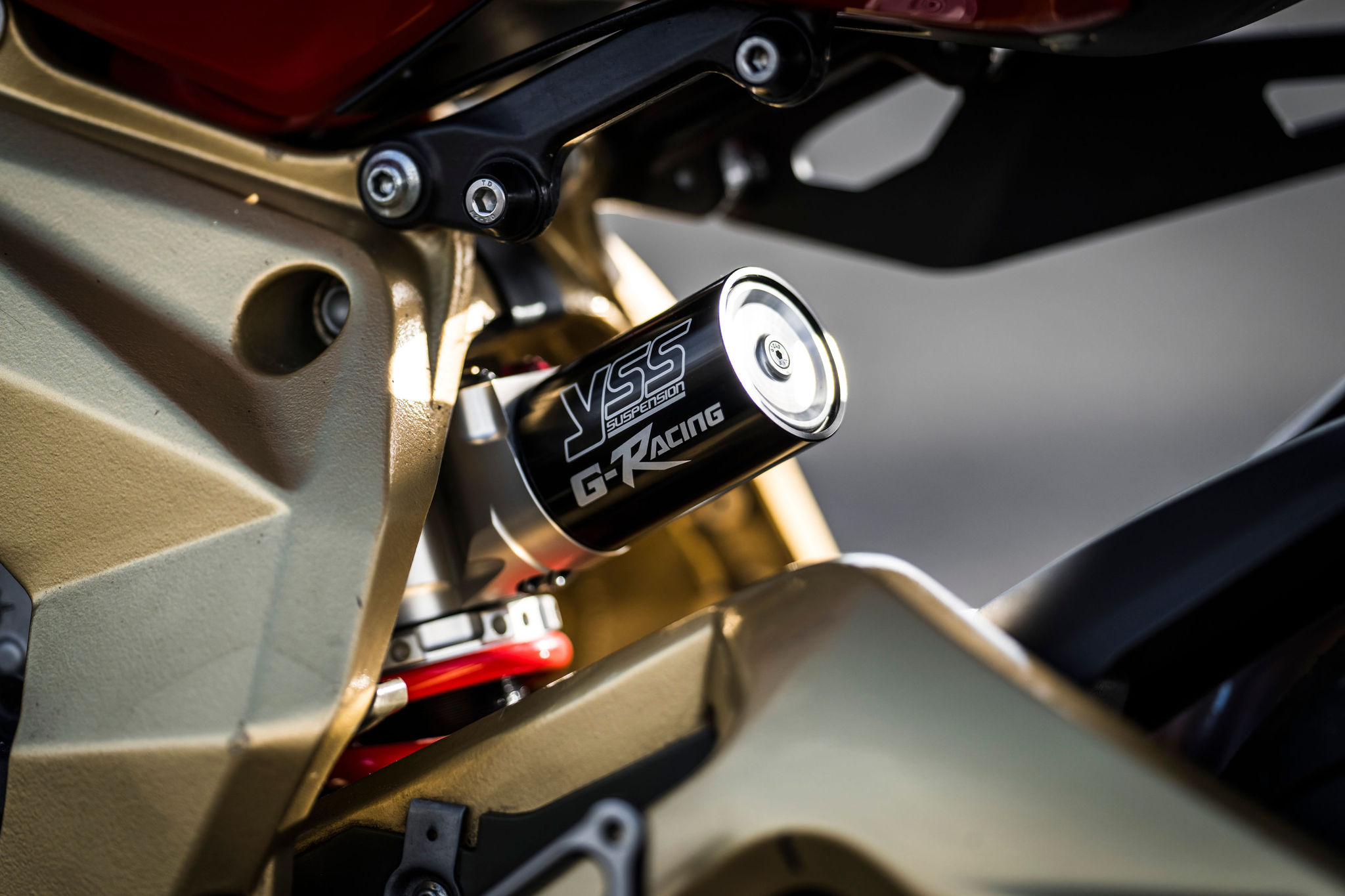
Wallow, squat, loss of drive or a harsh rear may point attention toward the shock or linkage. Note what happens as the bike drives out.
03
Symptoms that overlap
Tyres, alignment, brakes, bearings and linkage can mimic suspension trouble. Report recent changes instead of assuming the fork or shock is at fault.
02 / Workshop baseline
Bring the baseline.
The service history, settings and last known good setup help decide which component needs attention first.
01
Record the settings
Include clicker positions, spring details, geometry work, tyre pressures and the rider and conditions from when the motorcycle last felt right.
02
Note recent changes
Mention a crash, tyre fitting, brake work, time in storage or any part replaced before the symptom appeared.
03
Let inspection decide the scope
One component may need service, or the balance complaint may justify looking at both ends. Inspection decides the work, not identical settings.
Your next step
Send the setup and rider feedback.
Share the motorcycle, component history, current settings, symptoms and intended use.