
TR20 workshop guide
Motorcycle engine rebuild signs and process
New noise, smoke, hard starting, low compression or rising oil use are reasons to stop guessing and arrange an engine assessment.
01 / Symptoms
Stop riding if the symptom is severe.
Continued use can cause more damage and remove evidence from the original fault. Record the condition before trying to name the failed part.
01
Noise and starting
Note whether the sound or starting problem follows engine temperature, rpm, load or time since the last ride. Include warning lights and fault codes.
02
Smoke and oil use
Record smoke colour, when it appears, current oil level and the distance or track time over which oil use changed.
03
Heat and performance
Include overheating, loss of power, compression results and the last time the engine ran normally. Stop riding if the engine may be unsafe.
02 / Rebuild process
The scope follows inspection and measurement.
A top-end job and a complete rebuild are different jobs. The engine condition and intended use decide which work is justified.
01
Bring the engine history
Include model year, engine number, service records, modifications, oil details, recent use and any work already completed.
02
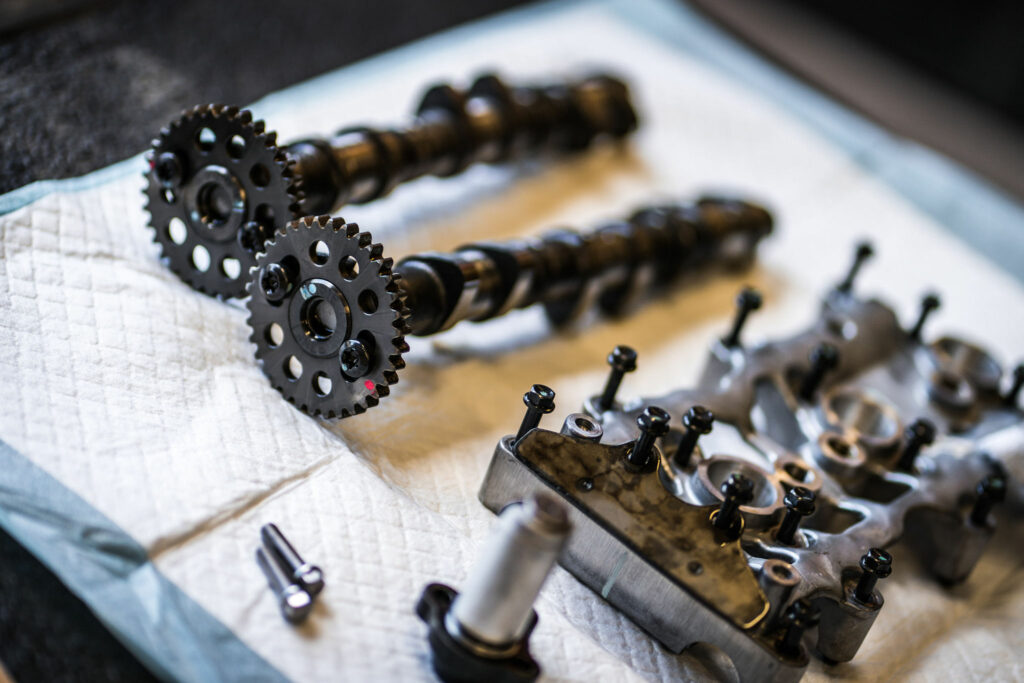
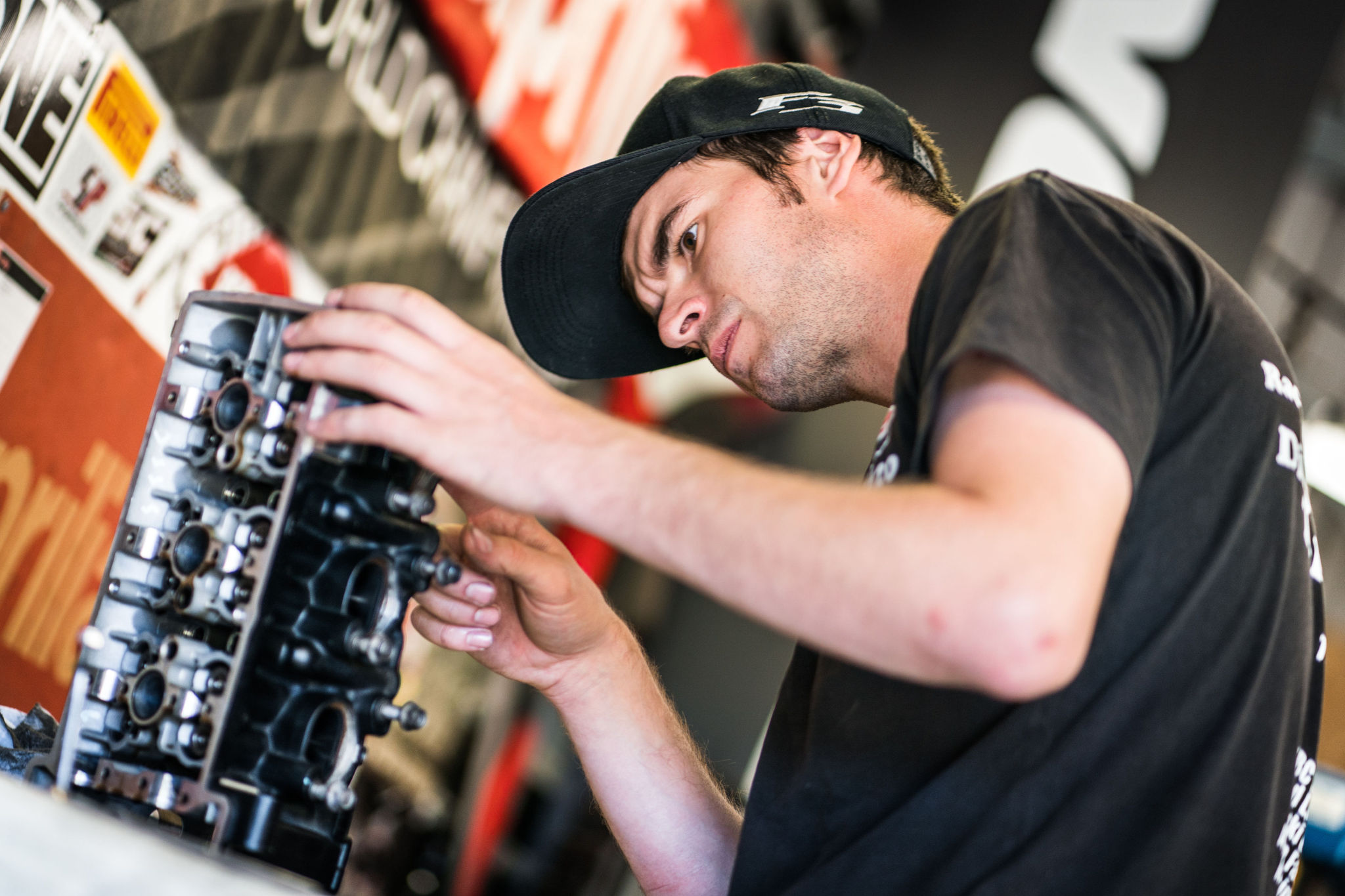
Strip, clean and measure
TR20 can inspect the agreed assembly, record condition and identify the measurements or specialist work needed for a rebuild scope.
03
Approve the rebuild
You approve the quoted work before the rebuild begins. If strip-down findings change the job, we discuss the revised options first.
Your next step
Talk through the engine before booking it in.
Send the motorcycle or engine details, symptoms, history and intended use.