

TR20 workshop guide
Signs your motorcycle suspension needs service
Front-end dive, a rear that skips, a visible leak or a motorcycle that feels unsettled can point to suspension work. Record when it happens before changing several settings.
01 / Rider feedback
Record what the motorcycle is doing.
The symptom is only the start. Speed, surface, control input and recent changes help separate a setup concern from worn or damaged parts.
01
Front-end symptoms
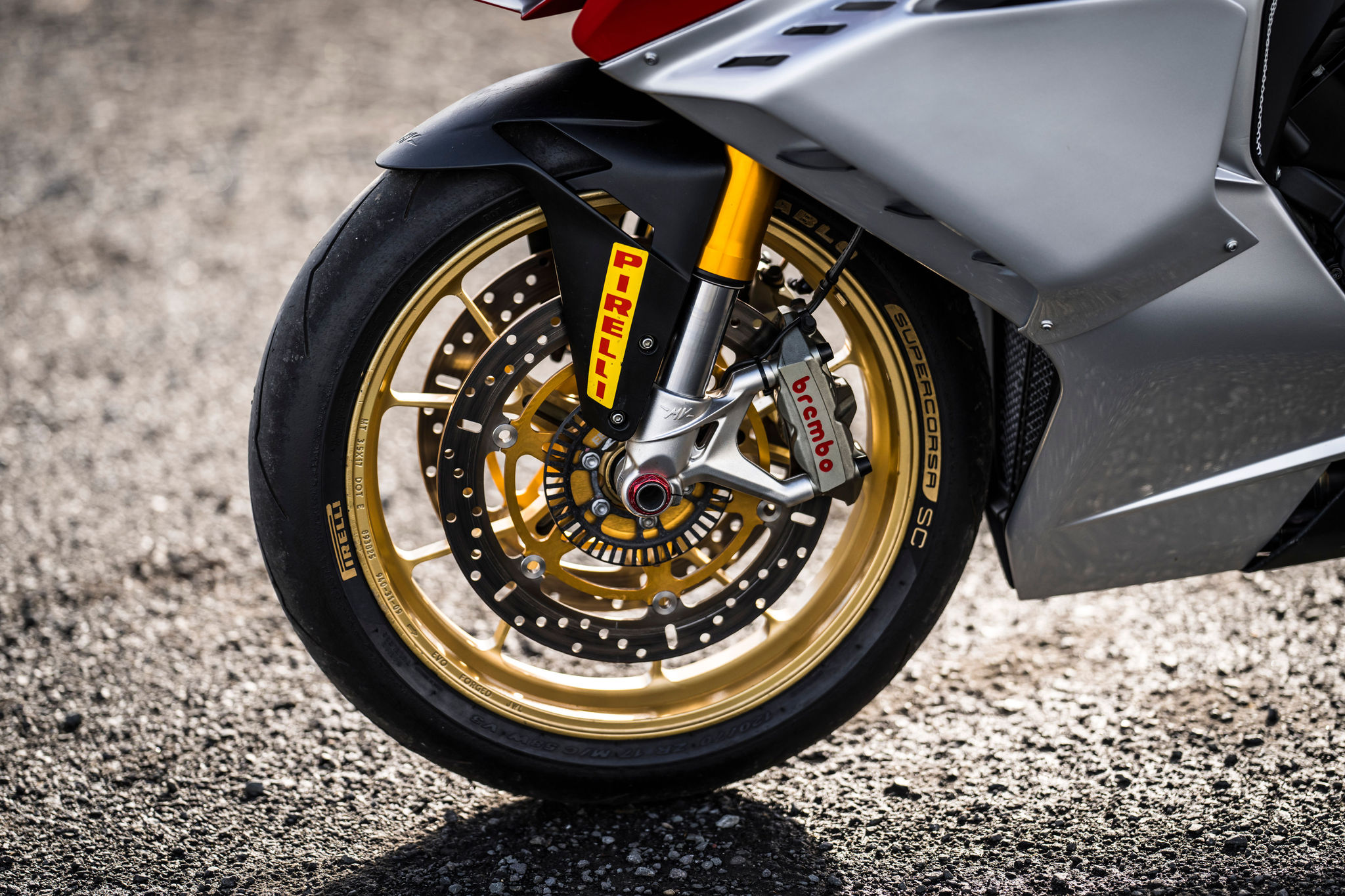
Note dive under braking, harshness over bumps, vague steering, skipping or a change in what you feel through the bars and front tyre.
02
Rear-end symptoms
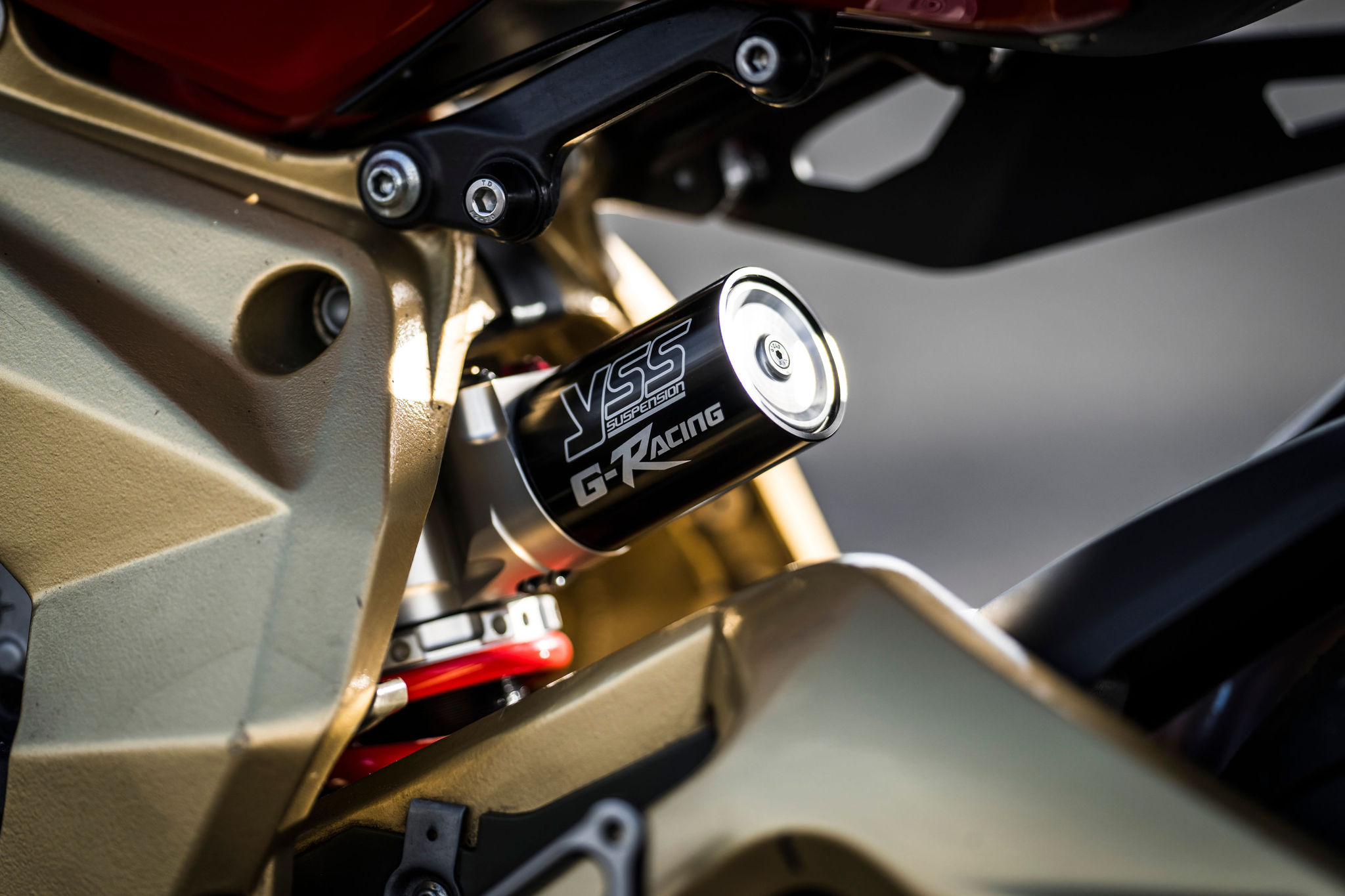
Record squat, wallow, loss of drive, harshness or instability on corner exit. Say whether it happens on smooth track, bumps or both.
03
Timing and recent changes
Write down when the problem began. Include tyre changes, a crash, time in storage, geometry work or a setting change made before the symptom appeared.
02 / Workshop baseline
Bring the settings and service history.
Suspension does not work in isolation. Tyres, brakes, bearings, linkage and wheel alignment can change how the motorcycle feels.
01
Keep the current settings
Record clicker positions, spring details and the last known setup before changing anything. Several changes at once can hide the original problem.
02
Include the service history
Tell us when the fork and shock were last serviced, what parts were replaced and whether the motorcycle is used on the road, track or both.
03
Inspect before choosing the scope
A visible leak or crash damage needs to be mentioned when booking. Inspection decides whether one component or both ends need work.
Your next step
Talk to TR20 about the bike.
Send the motorcycle, component, settings, symptoms and intended use so we can discuss the right starting point.